

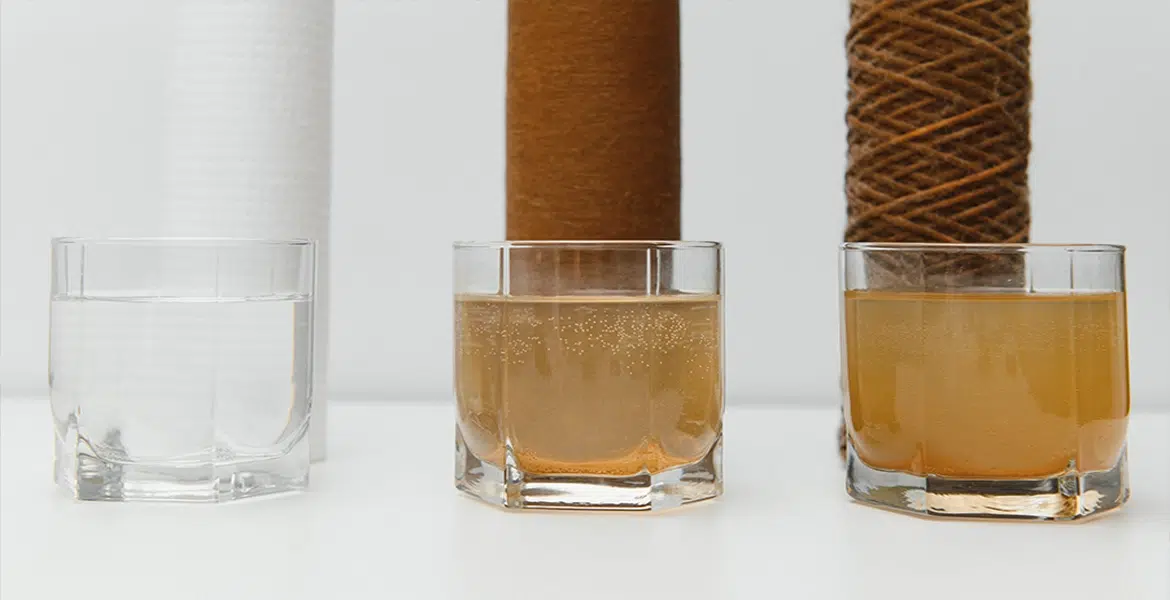
Hard water is a common issue throughout Central Texas, and many homeowners experience its effects every day without realizing the long-term impact it can have on their homes. While hard water may seem safe to drink, it contains elevated levels of minerals such as calcium and magnesium that can create a variety of problems over time. From plumbing issues and appliance damage to dry skin and higher utility costs, untreated hard water can affect nearly every aspect of your home’s water system.
At Central Texas Water Softeners, we help homeowners understand the hidden costs of hard water and provide effective solutions that improve water quality throughout the home. If you’re wondering whether a water softener is worth the investment, it helps to understand what happens when hard water goes untreated.
Scale Buildup Begins to Damage Plumbing
One of the most common consequences of hard water is scale buildup. As mineral-rich water flows through your plumbing system, calcium and magnesium deposits begin to accumulate inside pipes, fixtures, and appliances.
Over time, this buildup can restrict water flow and force your plumbing system to work harder than necessary. Faucets and showerheads may become clogged, reducing water pressure and affecting performance throughout your home.
Scale buildup occurs gradually, many homeowners don’t notice the problem until plumbing issues become more serious. A properly installed water softener helps prevent scale accumulation and protects your plumbing system from unnecessary wear and tear.
Appliances Become Less Efficient
Hard water doesn’t just affect pipes; it also impacts the appliances that rely on water every day.
Water heaters, dishwashers, washing machines, coffee makers, and ice makers are especially vulnerable to mineral deposits. As scale builds up inside these appliances, they become less efficient and often require more energy to operate.
For example, a water heater coated with mineral deposits must work harder to heat water, which can increase energy consumption and utility bills. In severe cases, untreated hard water can significantly shorten the lifespan of expensive appliances, leading to costly repairs or replacements.
Installing a water softener helps reduce mineral buildup and allows household appliances to operate more efficiently for years to come.
Utility Costs May Increase
Many homeowners are surprised to learn that hard water can affect monthly utility expenses.
When mineral deposits accumulate in water heaters and plumbing systems, equipment must use more energy to perform basic functions. Reduced efficiency often translates into higher energy bills and increased maintenance costs.
Hard water makes it more difficult for soaps and detergents to dissolve and work effectively. As a result, homeowners frequently use more laundry detergent, dish soap, shampoo, and cleaning products than necessary.
Addressing hard water with a water softener can help improve efficiency throughout the home while reducing ongoing expenses associated with excess energy use and cleaning products.
Your Skin and Hair Can Suffer
The effects of hard water aren’t limited to plumbing and appliances. Many people notice the impact every time they shower.
Hard water minerals can make it difficult to rinse soap completely from the skin and hair. This often leaves behind residue that contributes to dryness, irritation, and a dull appearance. Some individuals experience itchy skin, while others find their hair feels brittle, difficult to manage, or lacks shine.
Many homeowners notice improvements in the way skin feels and hair texture after installing a water softener because softened water allows soaps and shampoos to rinse away more effectively.
Laundry and Dishes Don’t Look Their Best
Another common sign of untreated hard water is its effect on clothing, linens, and dishes.
Mineral deposits can become trapped in fabrics, causing clothes and towels to feel stiff, rough, or faded over time. White clothing can appear dull, and colors can lose their vibrancy more quickly.
Hard water also leaves behind spots and film on dishes, glasses, and silverware. Even after running a dishwasher cycle, items may appear cloudy or streaked due to mineral residue.
A water softener helps reduce these issues by preventing mineral deposits from interfering with cleaning processes, allowing laundry and dishes to look cleaner and last longer.
The Hidden Costs Add Up Over Time
While a single hard water issue may seem minor, the cumulative effects can become expensive over the years.
Homeowners dealing with untreated hard water deal with:
- Increased appliance maintenance
- Shorter equipment lifespans
- Higher utility bills
- More frequent plumbing repairs
- Additional spending on soaps and cleaning products
- Reduced comfort from poor water quality
Because these costs accumulate slowly, many homeowners are unaware of how much hard water is truly costing them until they compare the benefits of a water treatment solution.
Protect Your Home with a Water Softener
If you’ve noticed scale buildup, cloudy dishes, dry skin, or rising utility costs, hard water may be the cause. These problems can often be prevented with the right water treatment system.
A professionally installed water softener helps protect plumbing, improve appliance efficiency, enhance cleaning performance, and provide better water quality throughout your home. For homeowners throughout Central Texas, investing in a water softener is often one of the most effective ways to safeguard both their property and their comfort.
At Central Texas Water Softeners, we help families find customized solutions designed for local water conditions. If you’re concerned about hard water in your home, our team can help you explore options that provide cleaner, softer, and more enjoyable water every day.
Contact us today or call 830.730.6799!